Best Copper Peptide Serum
You have more options than ever before, but what is the BEST copper peptide serum? We're going to rank the top choices currently on the market to help you narrow it down. This guide evaluates the factors that matter most:
- Peptide concentrations
- Ingredient transparency
- Safety profile
- Value for the money
In looking at all of these factors, there are a few copper peptide serums in particular that stand apart from the rest. Find the right copper peptide serum for your skin and/or hair below!
Quick Overview of the Best Copper Peptide Serum
| Product | Best For | Copper Peptide | Total Ingredients | Price |
|---|---|---|---|---|
| PLU GHK-Cu Face Tonic | Best Overall | 1% GHK-Cu, supplemented with palmitoyl tripeptide-1 and palmitoyl tetrapeptide-7 | 6 | $79.99 / 30mL |
| PLU GHK-Cu Hair Tonic | Best for Hair | 1% GHK-Cu + 1% Acetyl Tetrapeptide-3 (2% total stated peptides) | 5 | $79.99 / 30mL |
| PLU AHK-Cu Hair Tonic | Hair-Focused Alternative | 1% AHK-Cu + 1% Acetyl Tetrapeptide-3 (2% total stated peptides) | 5 | $119.99 / 30mL |
| The Ordinary | Best Budget | Copper Tripeptide-1 + 7 other peptides ("1%" in product name, individual concentrations not disclosed) | 45+ | $32.00 / 30mL |
| INNBEAUTY Project | Most Innovative | Copper Tripeptide-1 (% not stated separately) | 40+ | $52.00 / 1oz |
| Allies of Skin | Premium | Copper Lysinate/Prolinate (not GHK-Cu) | 31 | $199.00 / 30mL |
What Are Copper Peptides?
These short chains of amino acids are bound to a copper ion. GHK-Cu is the most researched form - glycine, histidine, and lysine linked to copper. This is actually a compound your body makes on its own. But natural production drops with age, and that's where topical serums enter the picture.
GHK-Cu can support skin firmness and help skin look smoother. It's classified as a signal peptide, meaning it communicates with your skin's existing processes. It doesn't force a chemical change. That's part of why copper peptide serums have a low risk of side effects compared to retinoids.
How We Chose the Best Copper Peptide Serums
There are six main things we looked at to narrow it down to the best copper peptide serums on the market. Here's what matters most.
Type of Peptide
Not all copper peptides work the same way or yield the same results. Knowing which form is actually in the bottle matters more than anything else when shopping for the best copper peptide serum.
GHK-Cu (Copper Tripeptide-1) has the deepest body of published literature across both skin and hair. Other forms serve more targeted roles. AHK-Cu, for example, has been studied specifically around hair follicle support, which is why we offer it as a dedicated hair option alongside our GHK-Cu lineup. Our comparison of GHK-Cu and AHK-Cu breaks down the differences. Copper Lysinate/Prolinate, on the other hand, has considerably less published data behind it.
Concentration
A copper peptide serum is only as effective as the concentration allows. We chose to feature products that clearly state their copper peptide concentration up front.
The published literature on GHK-Cu uses very specific percentages, and a serum matching those levels carries more weight than one that buries the peptide deep in a 40-ingredient formula without disclosing how much you're actually getting.
This is where the conversation on extra ingredients in a formula gets a little interesting…
Complementary Ingredients
What surrounds the copper peptide matters almost as much as the copper peptide itself. Some serums pair GHK-Cu with one complementary peptide for a targeted dual-peptide system. That's great.
Others load in dozens of additional actives such as hyaluronic acid, niacinamide, vitamin C, and botanical extracts. Sounds great, because you're getting more support - right? Not quite. We've found that all these extra active ingredients just dilute the primary active below the concentrations used in published research.
The Safety Side of Things
Copper peptides themselves are generally well-tolerated, but the other 30+ ingredients in some formulas come with their own question marks. We took a close look at how easily each serum integrates into an existing routine without creating compatibility headaches.
Cost and Value For the Money
The best copper peptide serum doesn't have to be the most expensive. But it's probably not the cheapest, either. Prices across our five picks range from $32 to $199. We focused less on cost, more on value for the money.
In other words, we weighed cost against concentration, ingredient count, and how long a bottle lasts because a cheaper serum diluted with 40+ fillers may not deliver the same per-drop value as a leaner formula at a slightly higher price point.
Ease of Use
How many steps does the serum add to your routine? Can you use it morning and night? Does it conflict with your existing products?
A well-formulated serum that requires a 10-minute layering protocol and a compatibility spreadsheet loses points. The best copper peptide serum should integrate in under a minute without overthinking.
Firmer, smoother-looking skin in just 30 seconds a day
Just 6 ingredients. 1% GHK-Cu with Palmitoyl Tripeptide-1 and Palmitoyl Tetrapeptide-7
Ranking the Best Copper Peptide Serums in 2026
You'll be met by a sea of options when you start looking to bring a copper peptide serum into your skincare or hair care regimen. We're trying to take all that complexity and uncertainty out of the equation. Pick the best copper peptide serum from this list of options:
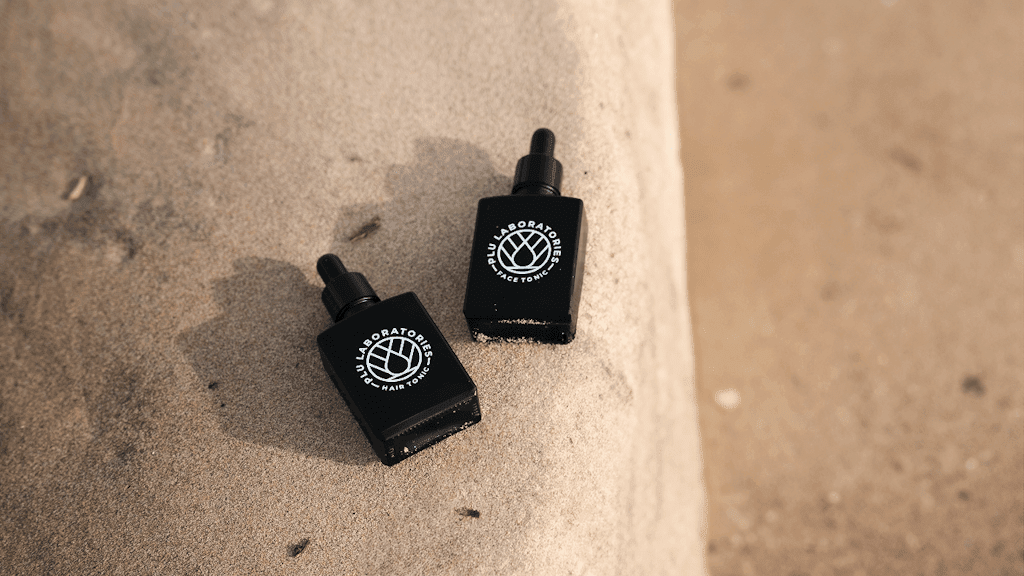
PLU GHK-Cu Face Tonic (GHK-Cu + Palmitoyl Peptides)
By far the best copper peptide serum for anyone who cares about concentration, safety, and results. Which should be everyone reading along!
The PLU GHK-Cu Face Tonic pairs 1% GHK-Cu supplemented with Palmitoyl Tripeptide-1 and Palmitoyl Tetrapeptide-7. Three actives, working together. The published literature has explored their role in supporting the appearance of firmer, smoother-looking skin.
Ingredients
- Water (Aqua)
- Glycerin
- Copper Tripeptide-1 (1% GHK-Cu)
- Phenoxyethanol
- Palmitoyl Tripeptide-1
- Palmitoyl Tetrapeptide-7
Six ingredients total. No hyaluronic acid, vitamin C, botanical extracts, or any other filler.
Pros:
- 1% GHK-Cu at a stated, matched concentration
- Three active peptides (GHK-Cu + Palmitoyl Peptides) in one formula
- Only 6 ingredients - nothing diluting the actives
- No known layering conflicts - pairs with practically anything in your routine
- 30-second application, morning or night
Cons:
- Limited product lineup (3 products total)
- Fewer reviews compared to mass-market brands
- Only available online through plulaboratories.com and amazon.com
Explore our copper peptides for face tonic to see the full product details.
PLU GHK-Cu Hair Tonic (Acetyl Tetrapeptide-3 for Hair)
Most people are drawn to copper peptide serums for hair health. The PLU GHK-Cu Hair Tonic is the best copper peptide serum for hair density. The GHK-Cu serum (1%) also has 1% Acetyl Tetrapeptide-3, a biomimetic peptide studied for supporting hair follicle structure and the appearance of thicker-looking hair.
Unlike minoxidil-based products, it doesn't come with scalp irritation or unwanted facial hair growth. It doesn't come with a laundry list of filler ingredients, either.
Ingredients
- Water (Aqua)
- Glycerin
- Copper Tripeptide-1 (1% GHK-Cu)
- Acetyl Tetrapeptide-3 (1%)
- Phenoxyethanol
Just five ingredients. Even leaner than the Face Tonic above.
Pros:
- Two active peptides targeted for hair (GHK-Cu and Acetyl Tetrapeptide-3)
- No minoxidil side effects like scalp irritation or unwanted facial hair
- Only 5 ingredients at clinical concentrations
- Works for all hair types
- 2-3 drops on scalp, massage 30 seconds, done
Cons:
- Results typically take 6-8 weeks of consistent daily use
- Designed for hair only (not a face or skin product)
- Smaller review sample than mainstream hair care brands
See the full details on this copper peptides hair serum and find out if it's right for you.
PLU AHK-Cu Hair Tonic (Hair-Focused Alternative)
Same two-peptide formula as the GHK-Cu Hair Tonic, also 5 ingredients, same 30-second routine. The difference is the copper peptide itself. Copper Tripeptide-3 (1% AHK-Cu) replaces glycine with alanine, and it has been studied specifically around hair follicle support rather than the broader tissue support GHK-Cu is known for.
This is the option for users who want a copper peptide dedicated entirely to hair, or who want to compare both copper peptide forms side-by-side. Our comparison of AHK-Cu vs GHK-Cu covers the research differences in detail.
Ingredients
- Water (Aqua)
- Glycerin
- Copper Tripeptide-3 (1% AHK-Cu)
- Acetyl Tetrapeptide-3 (1%)
- Phenoxyethanol
Five ingredients. Identical structure to the GHK-Cu Hair Tonic with the one active swapped.
Pros:
- Research on AHK-Cu is specifically focused on hair follicle stimulation
- Same clean 5-ingredient formula as the GHK-Cu Hair Tonic
- Paired with 1% Acetyl Tetrapeptide-3 for a targeted two-peptide hair formula
- Lets you compare both copper peptide forms (GHK-Cu vs AHK-Cu) for your own hair
- No minoxidil side effects, no filler ingredients
Cons:
- Narrower research base than GHK-Cu, which has decades of published studies across skin and hair
- Hair-only formulation (not suitable for skin, unlike GHK-Cu which covers both)
- Higher price point than the GHK-Cu Hair Tonic ($119.99 vs $79.99 / 30mL)
- GHK-Cu remains the recommended starting point for most users
Explore the PLU AHK-Cu Hair Tonic if you want a copper peptide built specifically around hair follicle research.
PLU Laboratories
Fuller, thicker-looking hair, no filler ingredients
Just 5 ingredients. 1% GHK-Cu with 1% Acetyl Tetrapeptide-3
Shop GHK-Cu Hair TonicThe Ordinary Multi-Peptide + Copper Peptides 1% Serum
The Ordinary's product name includes "Copper Peptides 1%," though the brand does not disclose whether that figure refers to the Copper Tripeptide-1 concentration specifically or the total peptide blend. The INCI lists Copper Tripeptide-1 as the 4th ingredient out of 49, alongside seven other peptide technologies. If "1%" is the combined figure, each individual peptide may be present at a fraction of the concentrations used in published research. It's the most affordable option on this list at $32 for 30mL, and the best copper peptide serum if budget is your primary concern.
The trade-off is complexity with 45+ total ingredients, including multiple forms of hyaluronic acid, 11 amino acids, and various bio-derivatives. More ingredients mean each active may be present at a lower individual concentration.
It also comes with one of the longer conflict lists in The Ordinary's lineup: no pairing with direct acids, vitamin C, retinoids, or several of their own products.
Ingredients
- Copper Tripeptide-1 (individual concentration not disclosed)
- Acetyl Hexapeptide-8 (SYN-AKE)
- Palmitoyl Tripeptide-38 (Matrixyl synthe'6)
- Palmitoyl Tripeptide-1 + Palmitoyl Tetrapeptide-7 (Matrixyl 3000)
- Acetylarginyltryptophyl Diphenylglycine (ARGIRELOX)
- Multiple forms of hyaluronic acid
- 11 amino acids
Total: 45+ ingredients.
Pros:
- "1%" appears in product name, though it is unclear if this refers to GHK-Cu specifically or the total peptide blend
- Five named peptide technologies in one bottle
- $32/30mL - most affordable pick by a wide margin
- Vegan, cruelty-free, alcohol-free, silicone-free
- National Eczema Association Seal of Acceptance
Cons:
- "1%" may refer to total peptide blend, not individual GHK-Cu concentration. With 8 peptide technologies sharing that figure, each could fall well below research-studied levels
- PLU formulas deliver 2-4% total stated peptide concentration across 2 or 3 targeted actives. The Ordinary spreads a potential 1% across 8
- Long conflict list. Cannot pair with direct acids, vitamin C, retinoids, or multiple other Ordinary products
- Kitchen-sink formula makes it difficult to isolate what's driving results
- GHK-Cu shares space with dozens of other actives competing for absorption
INNBEAUTY Project Elastic Skin
This vegan alternative to snail mucin serums combines copper peptides with plant-derived growth factors and wild yam-based phytomucin. The brand says 100% of participants in their clinical testing showed measurable improvement - that's a pretty bold claim!
The copper peptide angle deserves a closer look. INNBEAUTY lists "6% Copper Peptides + Bio-Hacking Peptides" - but that's a combined figure for the entire peptide blend. The individual Copper Tripeptide-1 concentration isn't clearly stated, so it's hard to evaluate against serums that state their GHK-Cu percentage outright.
Whether it qualifies as the best copper peptide serum comes down to how much you value knowing exactly what concentration you're applying. It's definitely one of the more popular options, though.
Ingredients
- Copper Tripeptide-1 (part of 6% combined peptide blend — individual % not stated)
- Vegan Growth Factors (Nicotiana Benthamiana-derived polypeptides)
- Dioscorea Villosa Root Extract (wild yam / 6% phytomucin)
- Ceramide NP
- Niacinamide
- Centella Asiatica Extract
- Sodium Hyaluronate
Total: 40+ ingredients.
Pros:
- Vegan growth factors is a genuinely innovative formulation approach
- Refillable packaging system ($46 refill pods reduce waste and cost)
- Clinically tested as hypoallergenic and non-comedogenic
- Safe for sensitive and acne-prone skin types
- Natural blue tint from copper peptides (no artificial colorants)
Cons:
- Copper peptide concentration not disclosed separately from the peptide blend
- 40+ total ingredients - same dilution concern as The Ordinary
- $52/1oz with the concentration question unanswered
- Vegan growth factor research is newer and less established than GHK-Cu data
Allies of Skin Copper Tripeptide & Ectoin Advanced Repair Serum
The premium pick on this list at $199 for 30mL. Allies of Skin is a repair-focused formula featuring 2% Ectoin, a compound studied for protecting skin against environmental stressors like pollution and UV exposure.
One detail worth flagging: the product name says "Copper Tripeptide," but the primary copper ingredient listed in the INCI is Copper Lysinate/Prolinate. That's a different form than the GHK-Cu (Copper Tripeptide-1) found in most other serums on this list. Copper Lysinate/Prolinate has a lot less published research behind it, so set your expectations accordingly.
Ingredients
- Ectoin (2%)
- Copper Lysinate/Prolinate
- Acetyl Hexapeptide-8
- Panthenol (provitamin B5)
- Tocopherol (vitamin E)
- Oxidized Glutathione
- Ergothioneine
Total: 31 ingredients.
Pros:
- 2% Ectoin for environmental protection can be powerful in urban or high-pollution areas
- Post-procedure compatible (can be applied to recovering skin)
- Lightweight, fast-absorbing texture
- Fewer total ingredients (31) than The Ordinary or INNBEAUTY - still a lot, though.
- Clinically tested formula
Cons:
- $199/30mL - over twice the price of PLU and six times The Ordinary!
- Uses Copper Lysinate/Prolinate rather than GHK-Cu, a less-studied copper peptide form
- Individual copper peptide concentration not prominently disclosed
- "Copper Tripeptide" in the product name doesn't match the primary copper ingredient in the INCI…something peculiar to keep in mind
Who Are These Copper Peptide Serums Best For?
There you have it, the best copper peptide serums on the market! Honestly, anyone trying to bring out the full potential in their skin and hair can benefit from one of these. However, these are the people who will notice the most measurable improvements from adding copper peptides:
- People noticing early signs of aging, be it fine lines, texture changes, or less skin firmness
- Anyone looking for a gentler alternative to retinoids (similar appearance goals, none of the adjustment period)
- Sensitive skin types who can't tolerate aggressive actives like tretinoin or high-concentration vitamin C
- Men dealing with visible hair thinning who want an alternative to minoxidil without the side effects
- Minimalists who want a short, effective routine instead of a 10-step protocol
Is There a Better Alternative to Copper Peptides?
The most common alternative is retinoids - either tretinoin by prescription, or retinol over the counter. Retinoids have plenty of clinical backing for skin appearance, but that adjustment period takes a toll: dryness, flaking, redness, heightened sun sensitivity. The payoff is worth it for some people. For many others, it isn't - and they end up quitting before results ever show up.
Vitamin C serums target different concerns, mostly brightening and antioxidant protection, rather than firmness or texture. Hyaluronic acid handles hydration, but it doesn't transform your skin the way peptides do. Neither one replaces what copper peptides offer even though they're all compared to one another.
Final Words on the Best Copper Peptide Serum
The best copper peptide serum is just a few clicks away. Whether you care most about concentration, simplicity, budget, or premium formulation, the formulas at PLU Laboratories check every box.
Sure, every serum on this list brings something to the table. But the formulas with fewer ingredients and transparent strengths make the strongest case when you strip away the packaging and look at what's actually in the bottle (and at what concentration).
Subscribe and save 15% on every order, and new customers get 25% off their first subscription order with code START10. See the difference for yourself within 6-8 weeks.

PLU Laboratories
The direct route to firmer-looking skin
Just 6 ingredients. 1% GHK-Cu with Palmitoyl Tripeptide-1 and Palmitoyl Tetrapeptide-7
Shop GHK-Cu Face TonicFrequently Asked Questions
What can copper peptides do for me?
GHK-Cu (the most researched form) may support the appearance of firmer, smoother-looking skin. It could also help hair appear fuller and denser. It's a signal peptide that works with your body's natural processes rather than overriding them. Most people notice visible changes in skin texture and firmness within 6-8 weeks of consistent daily use.
What is the highest-rated peptide serum?
PLU Laboratories Face Tonic is the best copper peptide serum on this list based on concentration transparency, ingredient integrity, value, and ease of use. It pairs 1% GHK-Cu with palmitoyl tripeptide-1 and palmitoyl tetrapeptide-7 in six ingredients - no fillers or layering conflicts.
How and when do I use copper peptides?
Apply 2-3 drops to clean, dry skin - morning, night, or both. Massage into the face and neck (or scalp for hair products), wait about 30 seconds for absorption, then layer any other products on top. Most copper peptide serums have no layering restrictions so they fit into whatever routine you already have. There's a lot of conversation on GHK-Cu injection vs topical, but serums are much more practical for skin and hair goals.

Written by Product Team