
Copper Peptide Serum
Bring Out the Best in Your Skin and Hair With Copper Peptide Serum
30 seconds a day is all it takes for visible improvements in skin firmness and hair density with our copper peptides for skin and copper peptides for hair. PLU Laboratories delivers concentrated GHK-Cu anti-aging peptides at meaningful concentrations to:
- Maximize skin barrier support
- Streamline wound healing pathways
- Encourage visible improvements in skin firmness and hair health
Most serums are watered down with hyaluronic acid, vitamin C, aloe vera, or ceramide complexes. Brands will tell you the formula is “more well-rounded.” We call it diluted. That's why we offer PURE copper peptides here at PLU Laboratories.

Palmitoyl Peptide Complex
Our Palmitoyl Peptide serum pairs GHK-Cu with Palmitoyl Tripeptide-1 and Palmitoyl Tetrapeptide-7 so you get three peptides supporting extracellular matrix processes and skin texture appearance. Research shows visible improvements in skin firmness with consistent daily use.
Acetyl Tetrapeptide-3 for Hair
Unlock thicker, healthier-looking hair with our GHK-Cu serum. We’ve paired GHK-Cu with this biomimetic peptide studied in research on hair follicle activity and hair health. Together, they create a multi-peptide system for comprehensive scalp and hair density support.
Verified Customers
Real Results from Real Customers
"I've only been using this a week and I already see an improvement in my fine lines. It's rare to see noticeable change after that short time period with any product. I also started using it on my neck and the back of my hands. This stuff is amazing."
"I purchased the tonic to improve hair growth and to counteract thinning near the top of my head. Since then, I have visibly improved coverage, materially less shedding, and an excess of confidence. My old lady even noticed and questioned if my stylist had tried something new!!"
"AWESOME. Only a week in. Skin looks younger and confidence is oozing. New level of aura unlocked."
"This hair tonic doesn't leave any residue or mess like minoxidil does. Even though I've only used it for about a month, I can already feel my hair getting healthier and fuller."
Shop Research-Backed Peptide Formulations
Meaningful concentrations studied in published research. No filler dilution.

GHK-Cu Face Tonic
GHK-Cu + Palmitoyl Peptides for firmer-looking skin
- 1% GHK-Cu copper tripeptide-1
- Palmitoyl Tripeptide-1 & Palmitoyl Tetrapeptide-7
- Supports skin firmness appearance
- Fine lines and texture improvement
- 30-second daily routine

GHK-Cu Hair Tonic
GHK-Cu + Acetyl Tetrapeptide-3 for fuller-looking hair
- 1% GHK-Cu copper tripeptide-1
- 1% Acetyl Tetrapeptide-3
- Supports hair density appearance
- No DHT blockers or hormones
- 30-second daily routine
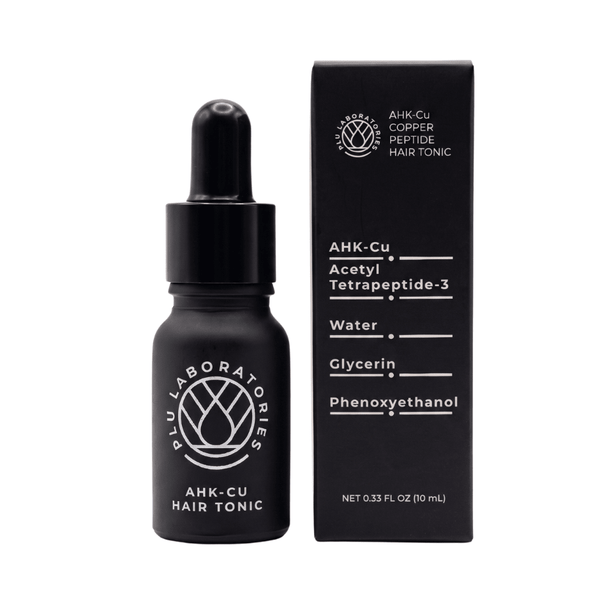
AHK-Cu Hair Tonic
Advanced AHK-Cu peptide system for next-level hair support
- AHK-Cu copper tripeptide complex
- Designed for advanced hair concerns
- Same multi-peptide philosophy
- No DHT blockers or hormones
- 30-second daily routine
Complete Peptide Support: Many customers use both the GHK-Cu Face Tonic and GHK-Cu Hair Tonic daily for comprehensive peptide support across face and scalp. Both products take under 60 seconds combined.
View All Products →HOW TO USE YOUR COPPER PEPTIDE SERUM
No needles, no hassle | just consistent results
Both Face Tonic and Hair Tonic integrate into your routine in under 30 seconds. Apply these carrier peptides to clean skin or scalp, let them absorb, and continue with your day. No complicated protocols to support collagen synthesis and hair health.
You can still use your favorite moisturizer, sunscreen, or other products, too. Just apply our anti-aging peptides first to support tissue repair and skin regeneration. Wait 30 seconds for absorption, then layer whatever else you prefer for complete skin barrier protection.
Our streamlined formulations work across skin types while supporting skin barrier function. The focused signal peptide ingredients minimize potential irritation while maximizing appearance benefits for skin elasticity and skin tone. Here are more tips depending on whether you’re applying to your face or hair:
Face Tonic
Start with clean, dry skin. Pat face dry after washing.
Dispense onto fingertips. Gently massage into face, neck, and under eyes.
Wait 60 seconds before applying moisturizer or other products. Use morning and/or night.
Hair Tonic
Work on dry or damp hair. Create sections to expose scalp.
Dispense directly onto scalp. Use fingertips to massage into areas of concern.
Do not rinse. Style hair as usual. Use morning and/or night.
What to Expect
Weeks 1-2
Skin feels smoother with improved texture and comfort
Weeks 3-4
Visible improvements in skin tone evenness and firmer appearance
Weeks 6-8
Notable reduction in fine lines with improved elasticity
Weeks 8-12
Skin texture continues improving, fine lines less prominent
Weeks 12+
Ongoing support for firmer, smoother skin with daily use
Weeks 1-2
Scalp feels healthier with improved comfort
Weeks 3-4
Hair appears smoother with improved shine and less shedding
Weeks 6-8
Visible improvements in hair density and scalp health
Weeks 8-12
Hair appears noticeably thicker and fuller
Weeks 12+
Ongoing support for fuller, denser hair with daily use
Individual results may vary. Research on copper peptides, Palmitoyl Tripeptide-1, Palmitoyl Tetrapeptide-7, and Acetyl Tetrapeptide-3 noted visible improvements within study timeframes with consistent use of peptide complexes.
Frequently asked questions
What does copper peptide serum do?
They support firmer-looking skin, smoother texture, healthier hair, and a more balanced scalp environment. All of this is thanks to how GHK-Cu signal peptides work through dermal fibroblasts to support collagen synthesis pathways and extracellular matrix processes.
Are copper peptides safe?
Yes. There is a ton of clinical evidence supporting their use in skin and hair care, and very few of our customers ever report any sort of adverse reaction.
Can I use copper peptide serum every day?
Yes - in fact, you need to use it daily to tap into the full potential of copper peptides. We even have customers who use the serum twice daily. Consistency is everything.
Is copper peptide better than retinol?
They serve totally different purposes in skincare. Retinol speeds up cell turnover, while copper peptides condition the skin and improve its appearance. You might want each in your skincare routine for the best of both worlds.
Which is better, vitamin C or copper peptides?
It depends on your skincare goals. Vitamin C has brightening properties and brings antioxidant support to your skin, while copper peptides unlock a level of firmness and texture that few other ingredients can rival.
What are the downsides of copper peptides?
There really aren’t any drawbacks to adding copper peptides to your hair or skin regimen if you’re willing to be patient. They take a while to produce visible results. We think it’s worth it, though.
Do dermatologists recommend copper peptides?
Yes, a lot of dermatologists encourage copper peptide use in cosmetic routines for aging or texture concerns.
How long does it take to see results from copper peptides?
It could be as fast as 2-4 weeks for skin texture and appearance - assuming consistent daily use. The real results come around the 6-8 week mark, though, especially for skin firmness, skin tone, crow's feet, and fine lines. As for hair health and density, it’s normal to need 8-12 weeks of regular use before seeing a difference. Be patient and stick with it. It’s worth the wait.
Can I use copper peptide serum on sensitive skin?
Yes, copper peptides are generally well-tolerated even by those with sensitive skin. We’ve made sure to formulate our serums without any of the filler ingredients that could trigger irritation or impact skin barrier function. It’s still best to patch test the serum on your inner forearm and wait 24 hours for any sort of reaction if you know you are prone to sensitivity.
What can I use copper peptide serums with (and what pairings should I avoid)?
Our serum layers seamlessly with gentle cleansers, moisturizers, and sunscreen. You can also use it with retinol or niacinamide, Vitamin C, or even hyaluronic acid. Just remember our advice on application - peptides first, give them time to soak in, then follow up with other ingredients.
As for what you shouldn’t pair with copper peptide serum, there’s really nothing “off limits” as long as you follow the proper protocol.
When do I use copper peptides?
They should go on clean skin (so right after cleansing) and before anything else. They can be applied morning or night depending on your routine.