Can You Use Copper Peptides With Tretinoin?
Tretinoin is one of the most powerful retinoids for treating acne, sun damage, or fine lines - among many other skin concerns. But you’ve probably heard all the buzz about copper peptides, and now you want to know - can you use copper peptides with tretinoin?
Short Answer
Copper peptides and tretinoin play nicely together, according to board-certified dermatologist Dr. Alexis Granite.1 They complement each other beautifully since they work through totally distinct pathways.
The caveat is that you should not use them at the same time. Layering is very important. Most experts say you should use tretinoin at night and copper peptides in the morning - or, you can alternate tretinoin and copper peptides on separate evenings.
Overview of Copper Peptides
Our copper peptide serum lineup uses two variants - GHK-Cu and AHK-Cu. But for the sake of this conversation on copper peptides and tretinoin, we’ll focus specifically on GHK-Cu. It’s the one with well-documented skin-supporting capabilities.
These signal peptides already exist in your body right now. You just make less and less of them the older you get, which is partly what you can blame skin changes on as you age.
GHK-Cu tells your cells to do their most essential tasks - support skin renewal and uphold barrier integrity. This helps your skin look firmer and healthier. There’s even research (published in the International Journal of Molecular Sciences) showing GHK-Cu can play a role in tissue repair and in modulating inflammatory response.2
What is Tretinoin Used For?
It’s that research on repair and inflammation that makes copper peptides for skin so exciting. But you may already know tretinoin is prescribed for a lot of the same skin ailments.
Benefits
Tretinoin is best known for speeding up skin cell turnover, which is why it has earned FDA approval for treating acne. But it has decades of clinical data for everything from collagen production to texture improvement and even hyperpigmentation.
Board-certified dermatologist Dr. Heather Rogers says retinoids like tretinoin have dramatically stronger and more consistent evidence in stimulating collagen production than any peptide.3 There’s no over-the-counter (OTC) product that comes close to its potency. It’s the benchmark all other products get compared to for measurable changes in skin structure.
Drawbacks
Tretinoin is not without its downsides. They can be severe - peeling, redness, constant dryness, and increased sensitivity to the sun. These are unfortunately quite common, and they last longer than you’d think. This “retinization” period, as it’s called, can persist 4-12 weeks in some cases.
Is this just the price you pay for fast, noticeable skin improvements? Not necessarily. You probably landed on this page because you’re searching for ingredients you can use alongside tretinoin to offset some of its notorious irritation. Could copper peptides be that pairing?
Can You Use Copper Peptides With Tretinoin?
So, can you use copper peptides with tretinoin? As a matter of fact, we have a lot of customers come back to us telling us what a difference they noticed in their tretinoin side effects after incorporating our copper peptide serum.
“I LOVE this stuff. Has changed my face completely. Helped my recovery time from my tretinoin nights. I use it the night after and it strengthens my barrier and gives me the skin radiance I am looking for.” - Isabella
“Instead of the usual tightness, my skin felt more elastic and healthy looking in the mirror. Within even the first month of use, some patchiness softened and smoothed out. It’s rare to find something work as consistently as the peptides without irritation.” - Wyatt
“I've been using PLU for over a week now and I've really enjoyed it. I've baked it into my daily routine and I'm happy that I did. I would recommend this product to anyone!” - Dramirez
Anecdotal results are one thing. Let’s take a closer look at what the experts have to say about pairing copper peptides and tretinoin below.
Potential Benefits of Combining Tretinoin and Copper Peptides
It makes sense when you realize what tretinoin actually does - breaks down old skin cells to encourage new ones to surface sooner. Copper peptides may help ease the damage this causes by controlling inflammation and supporting skin barrier recovery.
A 2001 Stanford study published in Archives of Facial Plastic Surgery put copper tripeptide and tretinoin on the same fibroblast model and witnessed complementary pathways at work. The scientists saw tretinoin boosting growth factors linked to skin firmness, while the copper peptides helped modulate scar-tissue signaling.4
This is to say, you should not look at GHK-Cu vs tretinoin as an either-or decision. Tretinoin drives skin cell turnover while copper peptides support calm, healthy-looking skin through the process.
Are There Any Risks With Layering Copper Peptides and Tretinoin?
It’s not that the tandem is dangerous. Rather, layering them in the same step can compromise the efficacy of both ingredients. They just get in each other’s way.
Board-certified dermatologist Dr. Brendan Camp warns against this, saying that using retinoids at the same time as copper peptides can be detrimental to results because of pH issues.5 Tretinoin performs best below 5.5. GHK-Cu is most stable above 5.5. Use tretinoin and copper peptides at the same time, and you may end up destabilizing the copper peptide complex.
On a somewhat related note, Dr. Granite cautions patients that copper gets destabilized in any acidic environment.1 That’s why the layering risk is just as prominent with copper peptides and vitamin C.
How to Use Copper Peptides With Tretinoin
The fix is simple - separate copper peptides and tretinoin by time of day. Or, by day altogether. Use GHK-Cu on Monday night, tretinoin on Tuesday night, and so on and so forth.
The consensus among most dermatologists is to keep them separate, as Dr. Blair Murphy-Rose (cosmetic dermatologist at the Laser and Skin Surgery Center of New York) suggests.5
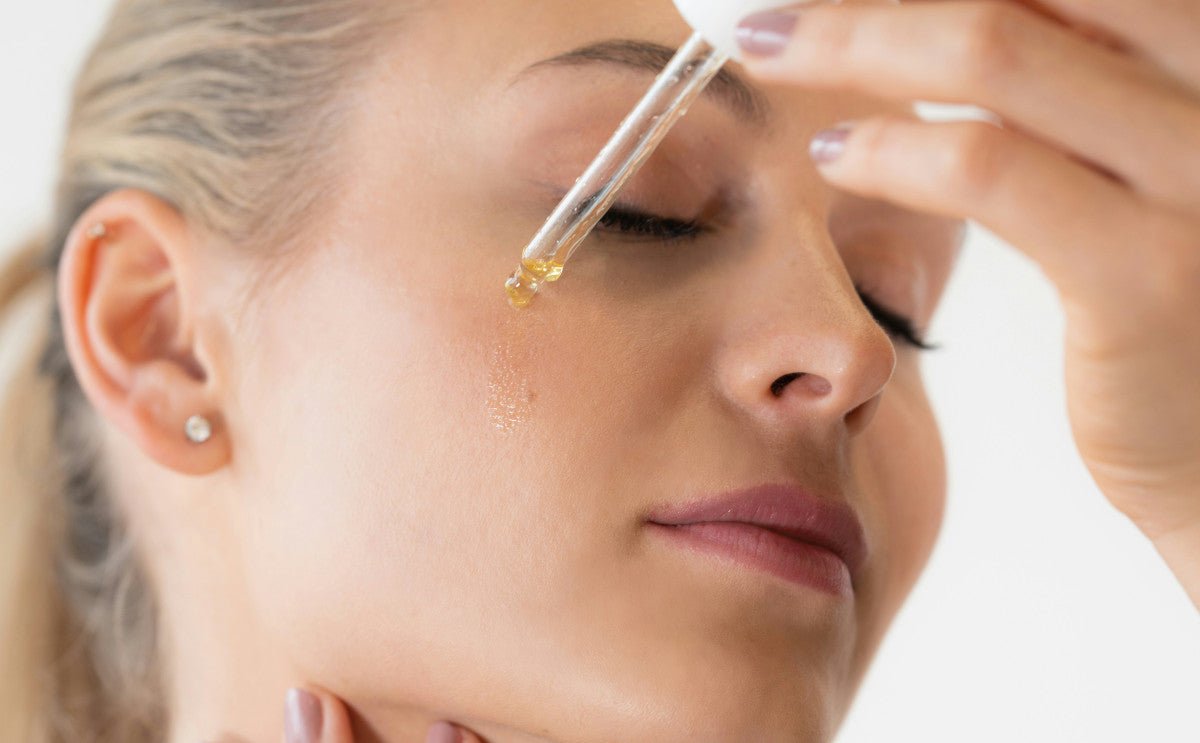
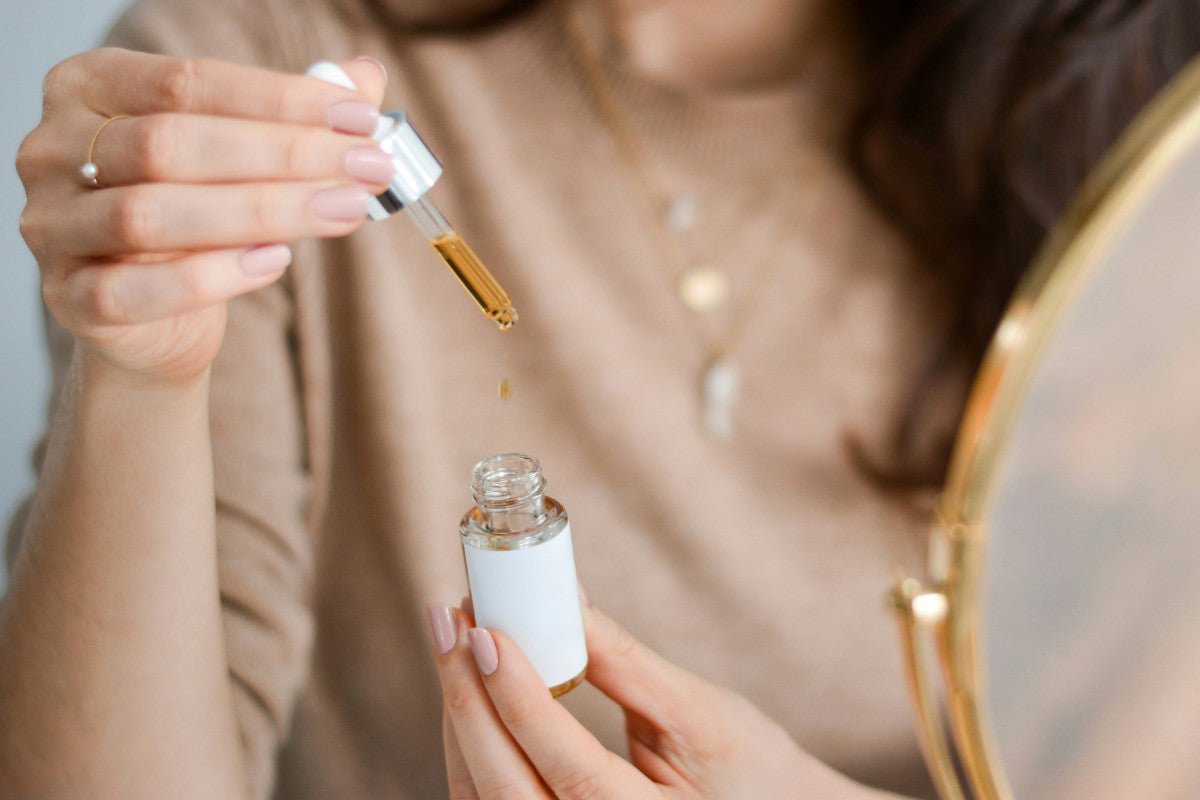
As far as how to use copper peptides with tretinoin, it’s pretty simple. Just apply 2-3 drops of our GHK-Cu serum to your skin and massage it in thoroughly. Give it 30 seconds to absorb all the way, and then follow up with SPF (if you’re applying copper peptides in the morning). Then, treat your skin with tretinoin in the evening after washing your face, per your prescriber’s instructions.
PLU Laboratories
Visibly firmer-looking skin, no filler ingredients
Just 6 ingredients. 1% GHK-Cu with Palmitoyl Tripeptide-1 and Palmitoyl Tetrapeptide-7
Shop GHK-Cu Face TonicHow Well Do Other Peptides Work With Tretinoin?
The link between tretinoin and copper peptides is unique. Most other peptides don’t bring the same supportive properties to the table.
One pairing we’ve seen brought up often is argireline. It inhibits neurotransmitters to target expression lines, and that’s great - but it doesn’t do anything useful for calming irritation from retinoids.
Palmitoyl peptides have been studied for collagen signaling, too, but they don’t share the research on wound healing and inflammation that makes GHK-Cu such an interesting pairing with tretinoin.
Dr. Rogers says it best. GHK-Cu genuinely stimulates collagen, elastin, and blood vessel growth with real clinical wound-healing data.3 The repair + inflammation control profile is why it’s worth using copper peptides and tretinoin side by side in the same regimen.
Are Retinol and Copper Peptides a Better Pairing?
You may be wondering, can you use copper peptides with retinol? Yes - and with fewer precautions since retinol doesn’t have the same severity as tretinoin as far as side effects are concerned. Still, you’d want to follow the same advice - split the two actives up so they don’t get in each other’s way.
Closing Thoughts on Copper Peptides and Tretinoin
In closing, can you use copper peptides with tretinoin? Yes, and we’d go as far as saying you should. This can be a great way to reap the benefits this strong retinoid is known for while easing the discomfort it’s notorious for.
You just need our pick for the best copper peptide serum for this kind of routine, and that’s where PLU Laboratories comes in. We use 1% GHK-Cu with Palmitoyl Tripeptide-1 and Palmitoyl Tetrapeptide-7 in a six-ingredient, water-based formula. Try it today!

PLU Laboratories
The direct route to firmer-looking skin
Just 6 ingredients. 1% GHK-Cu with Palmitoyl Tripeptide-1 and Palmitoyl Tetrapeptide-7
Shop GHK-Cu Face TonicReferences
- Dr. Alexis Granite, MD, Board-Certified Dermatologist. "Copper Peptides Are Everywhere," Yahoo Shopping / TODAY, 2024.
- Pickart L, Margolina A. "Regenerative and Protective Actions of the GHK-Cu Peptide in the Light of the New Gene Data." International Journal of Molecular Sciences. 2018;19(7):1987.
- Dr. Heather D. Rogers, MD, FAAD. "Do Peptides Work? A Dermatologist's Guide to Peptides in Skincare." doctorrogers.com.
- McCormack MC, Nowak KC, Koch RJ. "The effect of copper tripeptide and tretinoin on growth factor production in a serum-free fibroblast model." Archives of Facial Plastic Surgery. 2001;3(1):28-32.
- Dr. Brendan Camp, MD & Dr. Blair Murphy-Rose, MD, FAAD. "Do copper peptides help improve signs of aging?" TODAY.com, October 24, 2024.

Written by Product Team