Is GHK-Cu Safe? What Dermatologists Say About the GHK-Cu Safety Profile and Risks
It’s no longer a secret. Copper peptides like GHK-Cu can work wonders for your skin and hair. But is GHK-Cu safe? We get asked this all the time. The short answer is yes - with some caveats.
There are real GHK-Cu risks, but they’re mostly limited to injectable copper peptides. We always advocate for a copper peptide serum instead, because not only is topical application safer, it’s more effective - according to dermatologists and clinical studies alike. We’ll dig into the details below and cover everything you need to know about GHK-Cu safety.
Key Takeaways on the GHK-Cu Risks
- GHK-Cu lives in your blood plasma right now, and levels decline with age.
- The GHK-Cu safety profile is strong when you apply a high-quality topical serum.
- There are risks associated with injectable GHK-Cu. That’s why the FDA has stepped in.
- The topical GHK-Cu side effects are mild and temporary (redness, itching, etc.)
- Anyone with Wilson's disease or a known copper allergy should avoid GHK-Cu.
- PLU Laboratories makes our pick for the best copper peptide serum available OTC.
What is GHK-Cu?
Short for glycyl-L-histidyl-L-lysine copper, this tripeptide has quickly become one of the hottest topics in skincare and haircare alike. It’s not hard to see why - the GHK-Cu benefits are well-documented in clinical studies.
You actually have GHK-Cu in your blood, saliva, and urine already. Your body makes it naturally. But your natural GHK-Cu production peaks early on, and levels slowly start declining with each passing year.
Why Are People Drawn to This Copper Peptide?
GHK-Cu is a signal peptide. That means it talks to cells and encourages them through everything from skin renewal to follicle health. There may even be reason to believe GHK-Cu could support better wound healing.
Most published research on the peptide, though, is linked to skin health. Board-certified dermatologist Dr. Muneeb Shah says copper peptides are “beneficial for supporting collagen and overall skin health.”1 That tracks with all the evidence we have on how this peptide can bring about visible improvements in skin firmness and the appearance of fine lines.
The beauty of GHK-Cu, though, is it doesn’t cause the same level of irritation other active ingredients are notorious for. There’s no increase in photosensitivity while using it. Your skin won’t peel before it gets better. But is GHK-Cu safe across the board?
Is GHK-Cu Safe? Risks and Potential Side Effects to Know About
There’s no one-size-fits-all answer regarding GHK-Cu safety because it depends on how you’re using it. The biggest difference is between topical serums and injectable GHK-Cu.
Is GHK-Cu Safe to Inject?
Injectable GHK-Cu is riskier. That’s the long and short of it. The FDA just put GHK-Cu injections on its Category 2 restricted compounding list in April of 2026 while the Pharmacy Compounding Advisory Committee takes a closer look at its safety profile.2
Now, we’re not saying GHK-Cu injections are dangerous. Just that we have very limited data on the systemic effects. That’s enough to raise red flags on infection risk, dosing uncertainty, and injection site reactions.
Is GHK-Cu Peptide Safe When Applied Topically?
Is GHK-Cu safe when you apply a high-quality, clinically formulated serum topically? That’s a totally different question. The answer is yes, for the most part.
BioMed Research International took a look at a number of clinical trials back in 2015 and came to the conclusion that the molecule is very safe. The group didn’t uncover any issues when GHK-Cu was used as a skin cosmetic or in wound healing.3 The trials were conducted over a 12-week span and none of the 70+ women featured complained of negative side effects.
Dr. Shah put it pretty simply. “There's really no group that can't use them. They're gentle, effective, and suitable for everyone.” 1
What Are the Potential Side Effects of GHK-Cu?
Nothing is 100% risk-free, and GHK-Cu is no exception to this rule. There are some possible GHK-Cu side effects worth watching out for. The good news is that they are mild and temporary.
Board-certified dermatologist Dr. Jennifer Baron says that some people might “experience skin irritation, rash, or redness” - but this is usually during the first few days of using very high concentrations of GHK-Cu.4
Dr. Baron also says these reactions resolve on their own if you just lower the concentration a bit (or the frequency, perhaps). She acknowledges that overusing copper in skincare can be a source of oxidative stress, which may ultimately cause more harm than good. But the evidence these claims come from involves copper levels way higher than you’d ever get from a serum.
This is to say, 1% GHK-Cu, the concentration of our serums here at PLU Laboratories, is generally well tolerated.
Who Should Not Use GHK-Cu?
There are some people for whom the GHK-Cu risks are higher. Dr. Baron doesn’t advocate for those with Wilson's disease using copper peptides of any sort (GHK-Cu included), as this genetic condition causes the body to hold onto too much copper.
You shouldn’t use GHK-Cu if you have a known copper allergy. You need to talk to your doctor if you’re pregnant or nursing, too - even though Dr. Shah says copper peptides are “safe to use during pregnancy, unlike retinol.”1 Better safe than sorry.
PLU Laboratories
Visibly firmer skin, no filler ingredients
Just 6 ingredients. 1% GHK-Cu with Palmitoyl Tripeptide-1 and Palmitoyl Tetrapeptide-7
Shop GHK-Cu Face TonicHow Safe is GHK-Cu Compared to Other Treatments?
A lot of people compare GHK-Cu to retinol because they’re used for similar reasons (skin firming, renewal, etc.). You’ll see that the GHK-Cu safety profile is stronger. It doesn’t cause peeling, dryness, or sun sensitivity the way retinoids do.
Then there’s the hair use case. The main alternative there is minoxidil, and GHK-Cu doesn’t cause the same side effects there either (facial hair growth, scalp irritation, shedding).
What is a Safe Brand of GHK-Cu to Buy?
The consensus is that GHK-Cu is safe compared to its alternatives. But the serum you use matters when it comes to GHK-Cu safety. It also dictates efficacy, which is just as important if you’re going to add something to your skincare or haircare routine.
Dr. Baron raises a concern a lot of dermatologists have here. Some products may not contain the copper peptide concentration they claim to. Or, the peptides may not be in a form that can be absorbed by the skin.4
The good news is you can enjoy peace of mind using our GHK-Cu hair serum. It pairs 1% GHK-Cu with 1% Acetyl Tetrapeptide-3 in a water-based formula containing just five ingredients total. No fillers or harmful additives.
Tips on Using GHK-Cu Peptide Safely
Here are some quick tips on making the most out of GHK-Cu:
- Start with just one application per day to give your skin time to adjust.
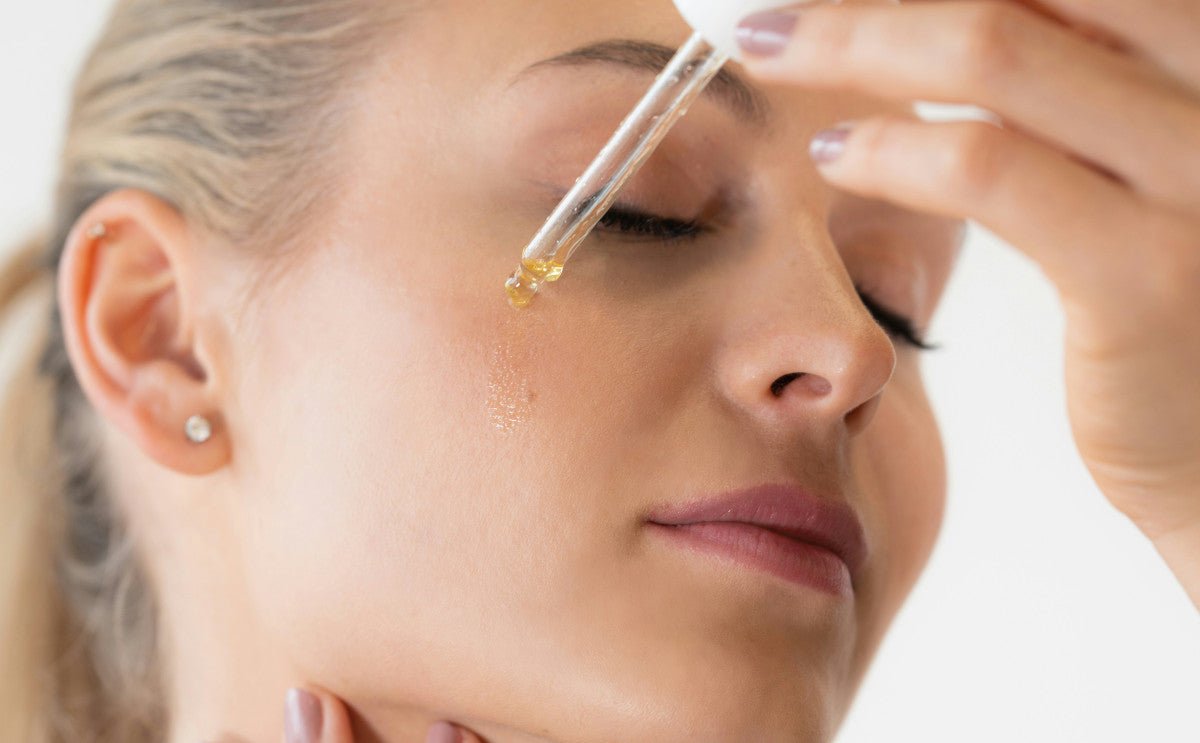
- Less is more. You only need 2-3 drops.
- Apply to clean, dry skin and massage the peptides thoroughly.
- Don’t layer copper peptides and harsh acids (Vitamin C, AHAs, or BHAs) in the same application. They compete for absorption and can cause irritation.
- Scale back on either frequency or concentration if you notice redness lasting more than a week.
- Keep your serum stored away from direct sunlight and heat.
Our blog has more tips on what not to mix with copper peptides and how to use them effectively. All that’s left to do now, though, is set yourself up for success with a GHK-Cu serum you can trust!
Bottom Line on GHK-Cu Safety
In closing, is GHK-Cu safe? Yes, when used topically in the right concentration. Topical GHK-Cu is generally well tolerated, and many dermatologists recommend copper peptides.
We’ve found that the real GHK-Cu risks are linked to unregulated injectable products or even serums that won’t tell you what exactly is in them. So, make sure you choose a GHK-Cu serum with a transparent formulation you can trust. Shop PLU Laboratories today.
Frequently asked questions
Is GHK-Cu worth the hype?
Set realistic expectations. It’s not going to do anything dramatic overnight like Botox. But 6-8 weeks of consistent use can lead to impressive changes in skin and hair appearance, and the GHK-Cu safety profile is high.
Does GHK-Cu have negative effects?
Rarely when used topically. Probably when injected. Watch out for mild redness or itching during the first few days of incorporating a GHK-Cu serum.
Is GHK-Cu the safest peptide?
You could make the case, yes. The GHK-Cu risks are low when you apply a well-formulated product topically. Our AHK-Cu peptide serum is just as safe, though, for what it’s worth.
How long can I take GHK-Cu?
It’s not something you have to cycle off of. A lot of our customers have used it for years without developing any real issues.

PLU Laboratories
The direct route to firmer-looking skin
Just 6 ingredients. 1% GHK-Cu with Palmitoyl Tripeptide-1 and Palmitoyl Tetrapeptide-7
Shop GHK-Cu Face TonicReferences
- Dr. Muneeb Shah, MD, Board-Certified Dermatologist. "Copper Peptides," PureWow, November 28, 2025.
- FDA Category 2 Peptide List Update, April 2026. Orrick Herrington & Sutcliffe LLP.
- Pickart L, Vasquez-Soltero JM, Margolina A. "GHK Peptide as a Natural Modulator of Multiple Cellular Pathways in Skin Regeneration." BioMed Research International. 2015;2015:648108.
- Dr. Jennifer Baron, MD, Board-Certified Dermatologist. "Vitamin C v. Copper Peptides, A Scientific Perspective." jenniferbaronmd.com.

Written by Product Team