Copper Peptides For Scalp: Is a Copper Peptide Scalp Treatment Worth It?
Most people forget that the scalp is skin, which is why using copper peptides for scalp health is so powerful. These little messenger molecules can help encourage healthy hair growth by creating the ideal conditions at the scalp, and they may even have hair-specific benefits, too!
We’re going to cover everything you need to know to determine whether it’s worth adding a copper peptide scalp treatment to your routine. Our opinion is yes, copper peptides belong in your regimen. Learn why below!
Key Takeaways
- GHK-Cu has been studied for both scalp tissue remodeling and follicle environment health.1
- Applying copper peptides on the scalp helps create the ideal conditions for healthy hair growth.
- Unlike minoxidil, there aren’t any uncomfortable side effects associated with copper peptides (or the shedding phase).
- Copper peptides for scalp can take anywhere from 6-8 weeks to produce visible hair density changes, so be patient.
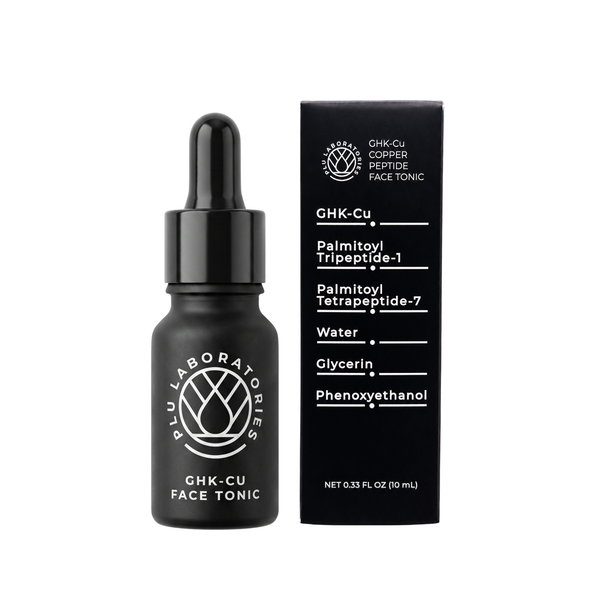
- PLU Laboratories makes the #1 copper peptide serum for the scalp with 1% GHK-Cu and 1% Acetyl Tetrapeptide-3.
Why Does Scalp Health Matter?
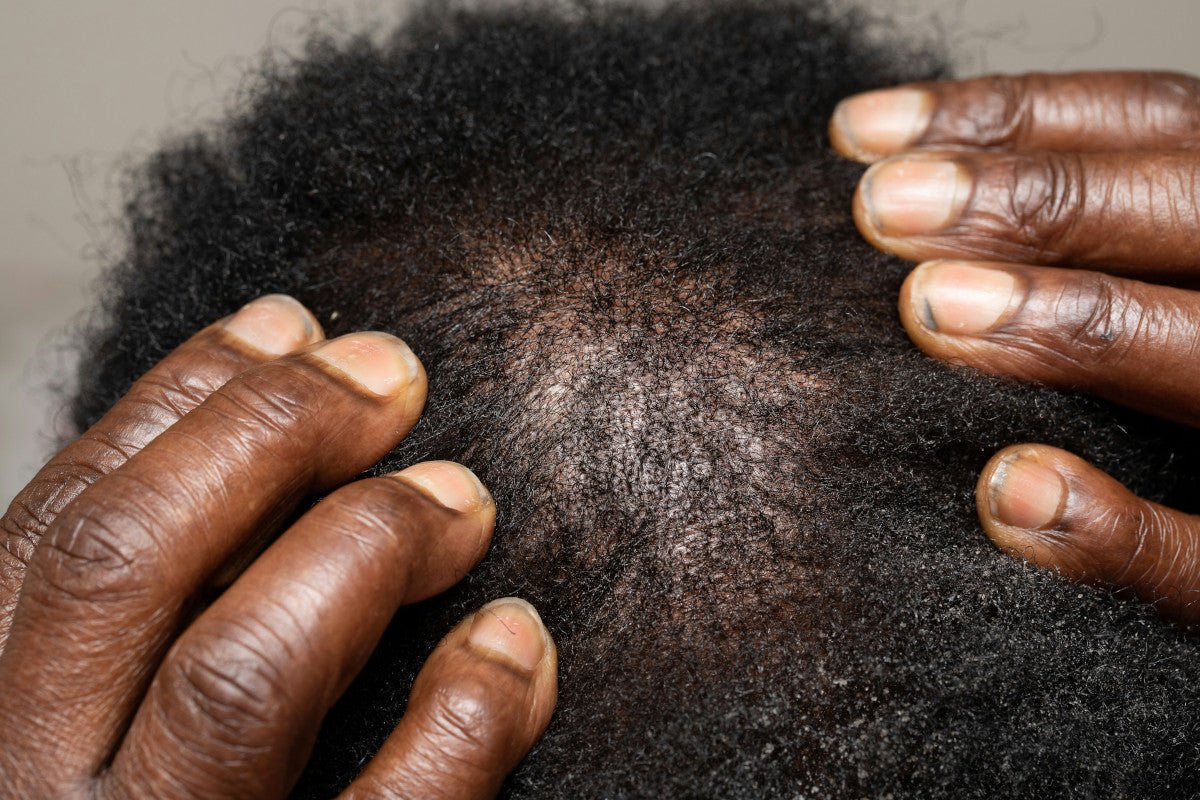
You care about hair growth, not scalp health. But those things are actually more intertwined than most people realize. You cannot have healthy, sustainable hair growth when the scalp is in disarray. In fact, a lot of hair loss can be traced back to poor scalp conditions.
Hair follicles sit in the dermal layer of scalp skin. They’re surrounded by blood vessels, collagen networks, and connective tissue. They can lose their structural support when that environment falls out of its ideal state, which can in turn cause them to enter their resting phase.
That’s where shedding comes from.
The scalp can be hit by the same type of factors as the rest of your skin. Aging and oxidative stress are the two big ones. Chronic inflammation forces hair follicles out of the growth phase and into the resting phase prematurely.
Understanding Copper Peptides
We’ll get to the connection between copper peptides and scalp health in a moment. But we need to take a step back and explain what these are in the first place.
Most of the time when we talk about copper peptides, it’s GHK-Cu in particular. This naturally occurring peptide lives in human blood plasma. Your body relies on it for sending messages to other cells, encouraging them to do their basic tasks.
Dr. Loren Pickart has published copper peptide research for four decades and counting. Pickart says the main function of GHK-Cu is “tissue remodeling,” a process that takes place in the dermis layer - including at the scalp, where follicles live.2
The big problem is that GHK-Cu levels naturally begin declining with age. You have far less of it at 60 than you did at 20.1 So, can you use copper peptides for scalp health to bring the body back into balance?
Two Benefits of Copper Peptides For Scalp Health
We’ve reviewed all the research on copper peptides and scalp health and found two distinct connections we think you should know about.
What GHK-Cu Does For Your Scalp
The hair follicles fall out of their natural cycling rhythm when the scalp is chronically inflamed. GHK-Cu can support a healthier inflammatory response according to Pickart and Margolina's 2018 analysis.1 This keeps hair follicles healthy and happy, so they stay in their active growth phase for longer.
But GHK-Cu can also communicate with the scalp’s dermal layer cells. It can essentially tell cells to make more natural collagen and remodel tissue in favorable ways.
The way it actually does this is through gene expression. GHK-Cu influences over 4,000 human genes according to Pickart and Margolina, and over 31% of them are tied to skin remodeling.1 Remember, your scalp is skin!
A Gentler Alternative to Minoxidil
PLU Laboratories Hair Tonic combines GHK-Cu with Acetyl Tetrapeptide-3. This peptide brings its own support to your hair care regimen. It showed comparable results to minoxidil (3%) in improving hair density through a 24-week randomized trial!3
This matters because minoxidil is notorious for causing issues like shedding, unwanted facial hair growth, and scalp irritation. On the other hand, copper peptides are gentler.
How to Use Copper Peptides on Scalp: Step-by-Step Routine
Adding copper peptides into your hair care routine is so simple. It starts with getting the right copper peptides for hair. Look no further than PLU Laboratories.
Our GHK-Cu Hair Tonic (1%) also features 1% Acetyl Tetrapeptide-3 for a two-pronged approach to nourishing the scalp and encouraging healthy hair. There are no other filler ingredients getting in the way of the copper peptides, so they can work without being blocked.
It’s as simple as a 30-second daily ritual. Here’s how it works:
- Apply 2-3 drops directly to a dry or damp scalp
- Massage into the scalp for 30 seconds, focusing on your problem areas
- Don't rinse - let the formula absorb and sit on the scalp overnight
- Do this every single day - no skipping applications
You can maximize absorption with dermarolling. This involves creating microabrasions on the scalp for better topical penetration. It also stimulates the body’s natural healing response, bringing more blood flow and nutrients to the scalp.
PLU Laboratories
Thicker-looking hair, no filler ingredients
Just 6 ingredients. 1% GHK-Cu with Acetyl Tetrapeptide-3
Shop GHK-Cu Hair TonicWhat to Expect From Copper Peptide Scalp Treatment
Using copper peptides for scalp health is a long-term play. You shouldn’t expect to see results overnight. Or even within the first few weeks, for that matter. Here’s the typical timeline:
- Weeks 1-2: The scalp feels healthier but there are no visible changes yet
- Weeks 3-4: Hair might look a little shinier, and the scalp is healthier than ever
- Weeks 5-8: You may begin noticing your hair looks (and feels) denser by the second month
The results only compound the longer you stick with your copper peptide scalp treatment. Consistency is everything when it comes to GHK-Cu hair growth, though. Don’t skip any days!
Frequently asked questions
What do copper peptides do for the scalp?
These messenger molecules tell the cells within the dermal layer to support natural tissue remodeling and collagen production while helping dial down an overactive inflammatory response that could be causing shedding.1,2
Are copper peptides safe to apply to the scalp?
Yes, as long as you use a product that has safe concentrations (1%) and can confirm it has been lab-tested for both strength and purity. Our independent lab-testing protocols check both boxes.
How does minoxidil compare to copper peptides?
We see the AHK-Cu vs minoxidil question come up all the time. They’re very different. Minoxidil is the most commonly used hair loss treatment. It works, but it has harsh side effects like irritation, shedding, and rebound hair loss. Copper peptides are a gentler alternative.
Can copper peptides help with hair growth?
Yes, there is published research showing GHK-Cu’s ability to modulate the genes tied to tissue remodeling and follicle environment health.1
How long does it take for copper peptides to regrow hair?
Don’t expect an overnight transformation with copper peptides for scalp. The actual hair growth cycle can take months. We recommend waiting at least 6-8 weeks before judging results.
What should you look for in a copper peptide scalp treatment?
Meaningful copper peptide concentration and no fluff ingredients competing for absorption. Our GHK-Cu serum is the #1 choice because it has two proven peptides at 1% concentration without any other nonsense on the label. Set yourself up for success with the best copper peptide serum today!
References
- Pickart L, Margolina A. Regenerative and Protective Actions of the GHK-Cu Peptide in the Light of the New Gene Data. Int J Mol Sci. 2018;19(7):1987. PubMed
- Pickart L. The human tri-peptide GHK and tissue remodeling. J Biomater Sci Polym Ed. 2008;19(8):969-988. PubMed
- Lueangarun S, Panchaprateep R. An Herbal Extract Combination (Biochanin A, Acetyl tetrapeptide-3, and Ginseng Extracts) versus 3% Minoxidil Solution for the Treatment of Androgenetic Alopecia. J Clin Aesthet Dermatol. 2020;13(10):32-37. PubMed

Written by Product Team